BIRDS

This little Piping Plover chick is finally big enough to catch a sand crab. When she was younger she tried to pick it up, but jumped back when it moved so she looked for smaller food.
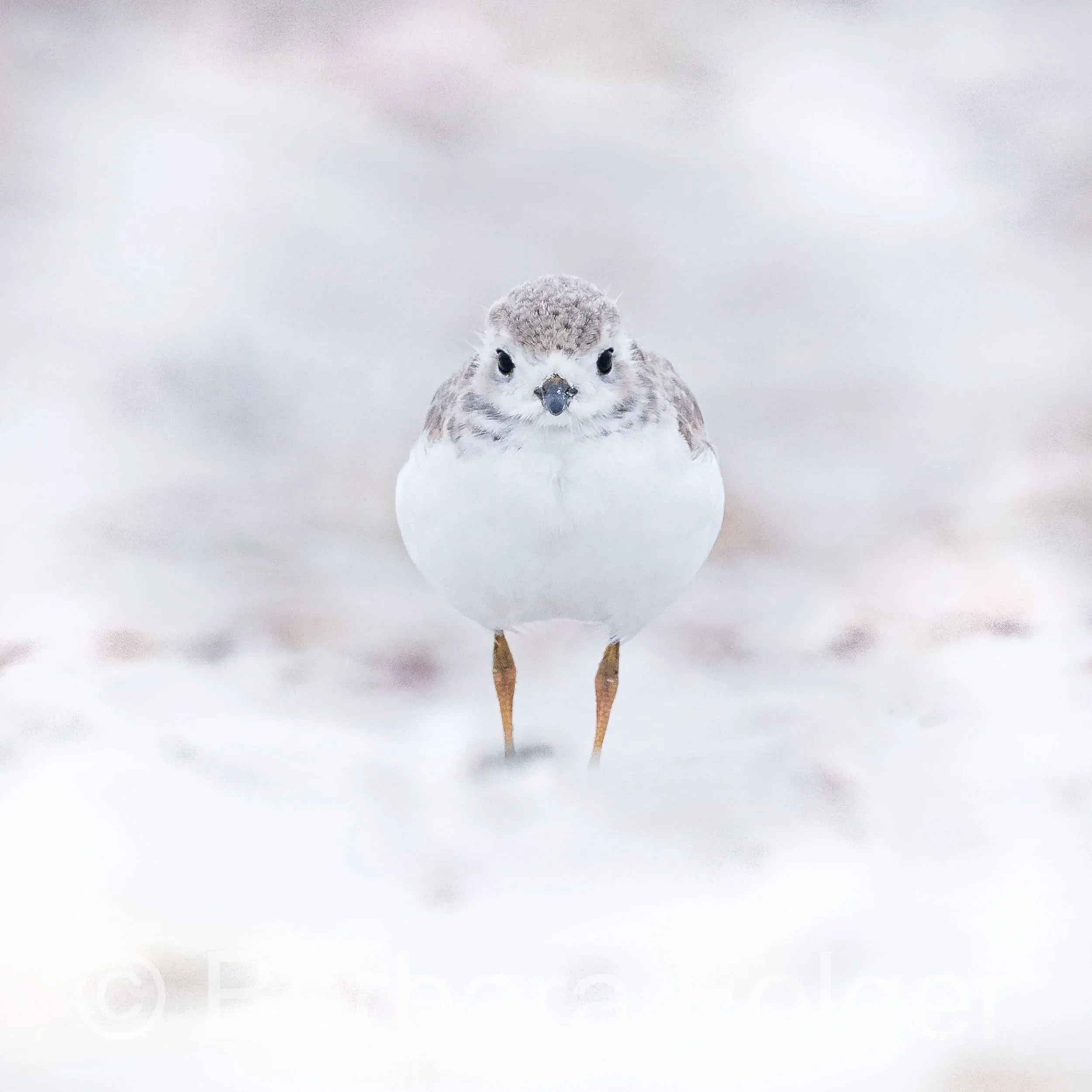
Piping Plover - Dowse’s Beach, Osterville, MA
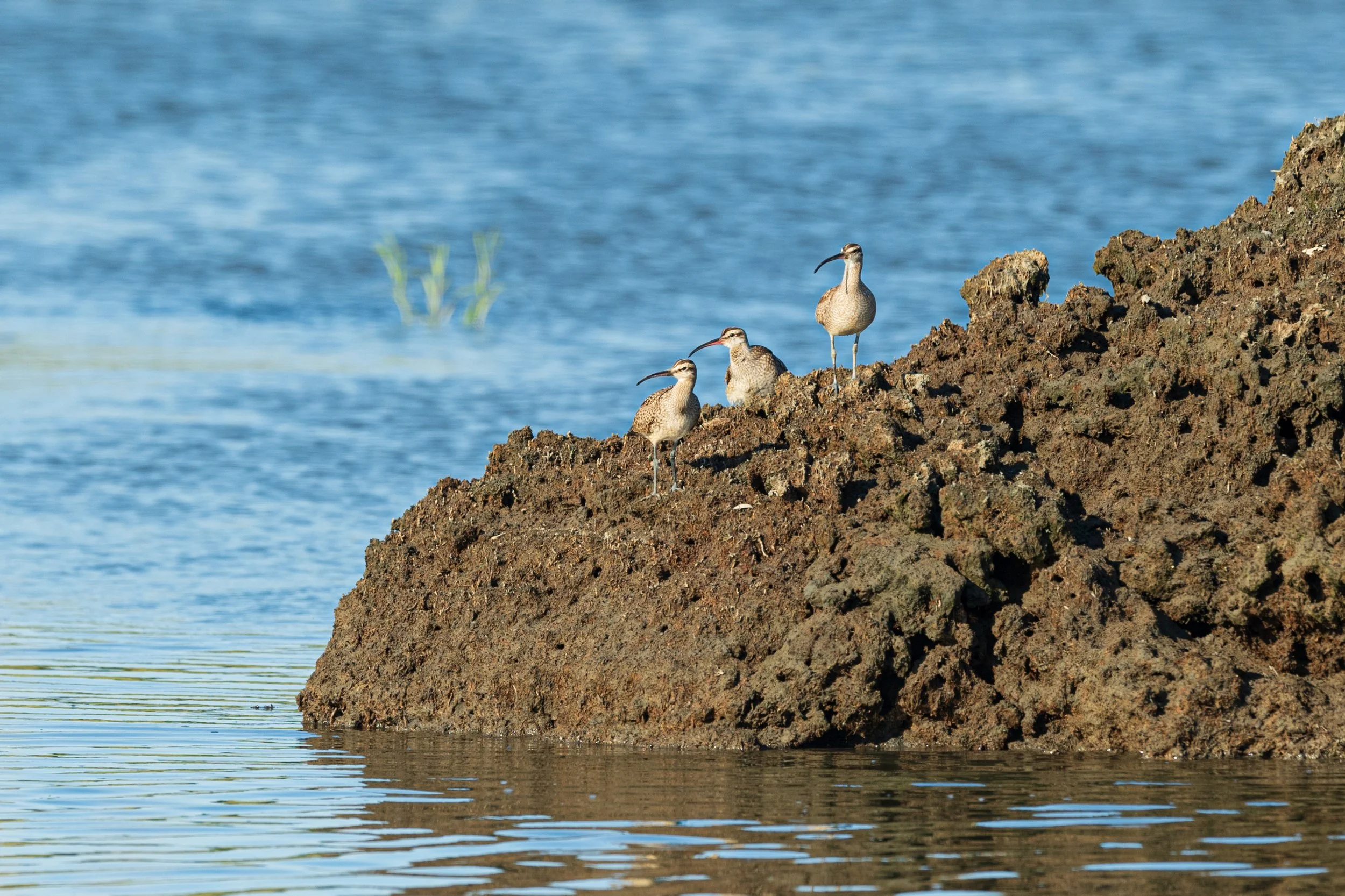
Whimbrels rest and forage on the Wellfleet marshes on Cape Cod, Massachusetts during their flight from the Arctic to South America. The whimbrels gorge on the plentiful fiddler crabs after shaking off their large claws.

Fiddler crabs are an important source of protein for many other migrating shorebirds as well.

Western Snowy Plovers are the smallest plover. They are losing their habitat to encroaching shoreline development human recreation. Dogs are a serious threat because when birds are chased they have to use some of their important stored energy to escape the dogs. This affects the health of the birds, their ability to reproduce, and the loss of energy to protect their young.

A Western Snowy Plover rests in a shallow hole at dawn on a beach in the Golden Gate National Recreation Area, San Francisco, CA.

California Condors have been successfully reintroduced to the Grand Canyon. Condors became extinct in the wild in 1987. Captive bread condors have been reintroduced in California, Utah, and Arizona. There is an ongoing project to breed and restore these magnificent birds back to their native habitats.

This Condor has multiple satellite trackers and tags on him.

Northern Pintail, Llano Seco Preserve, CA

Tawny Eagle, Botswana, Africa

Little Bee Eaters in a papyrus reed. Okavango Delta, Botswana

Saddle-billed Stork, Okavango Delta, Botswana. These storks can reach five feet in height.

A scup breakfast for this Osprey family on Dowse’s Beach, Osterville, MA.

Willet finding breakfast in the seaweed. Dowse’s Beach, Cape Cod, Massachusetts

Osprey nest on a boat bow. This unfortunate owner put his boat in the water early spring which gave these ospry a safe place to build their nest. There is a substantial monetary penalty to remove a nest. These osprey did not mind as more boats were put on near by moorings. They quickly got used to the hustle and bustle of a busy summer harbor on Cape Cod, Massachusetts.

Savannah Sparrow, Nome, Alaska

American Bald Eagle, Alaska

Great Blue Heron and the Golden Gate Bridge. Golden Gate National Recreation Area, San Francisco, California

Cranes reflected on Staten Island in the San Francisco-Bay Delta.

Greater Sandhill Cranes, Platte River, Nebraska.
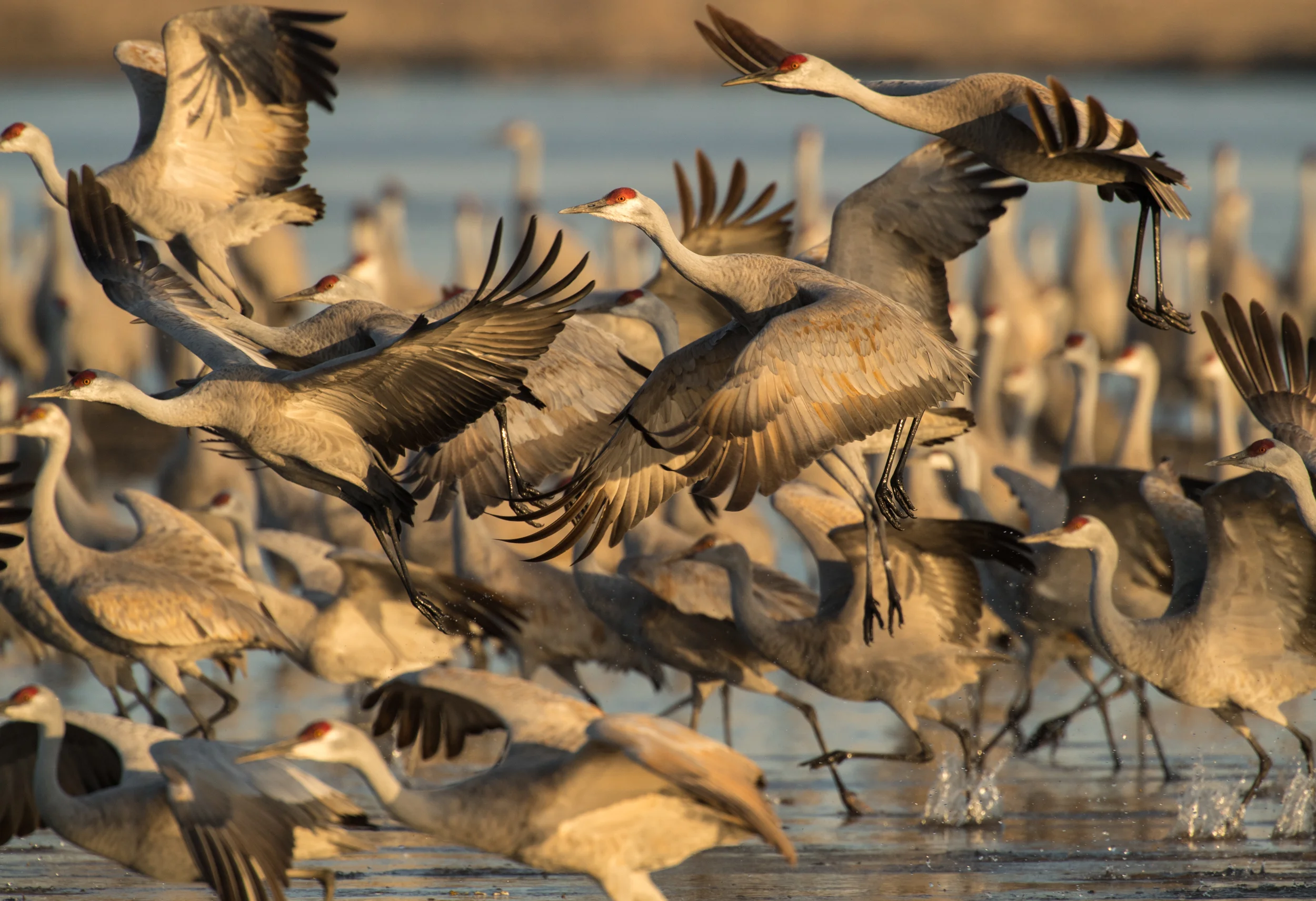
Greater Sandhill Cranes Cranes rising off the Platte River after their night roost. Kearney, Nebraska.

Greater Sandhill Cranes Kearney, Nebraska

Sunrise on the Platte River Kearney, Nebraska

Standing Guard. Greater Sandhill Cranes, Staten Island, California.

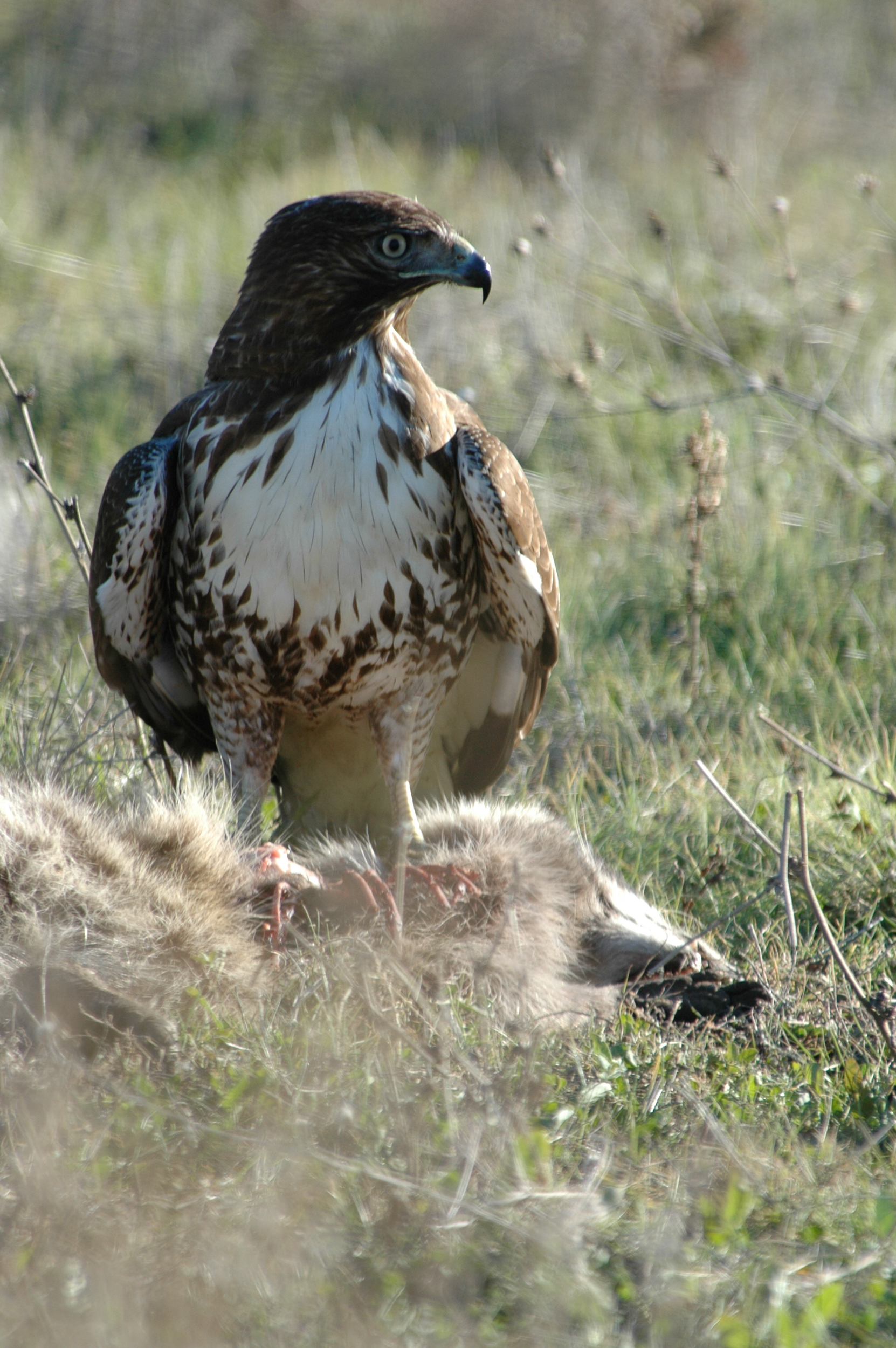
Red-tailed hawk with an opossum breakfast. Sacramento Valley, CA.

Brandt’s Cormorant, Elkhorn Slough, California

Double-crested Cormants, Cape Cod, Massachusetts.
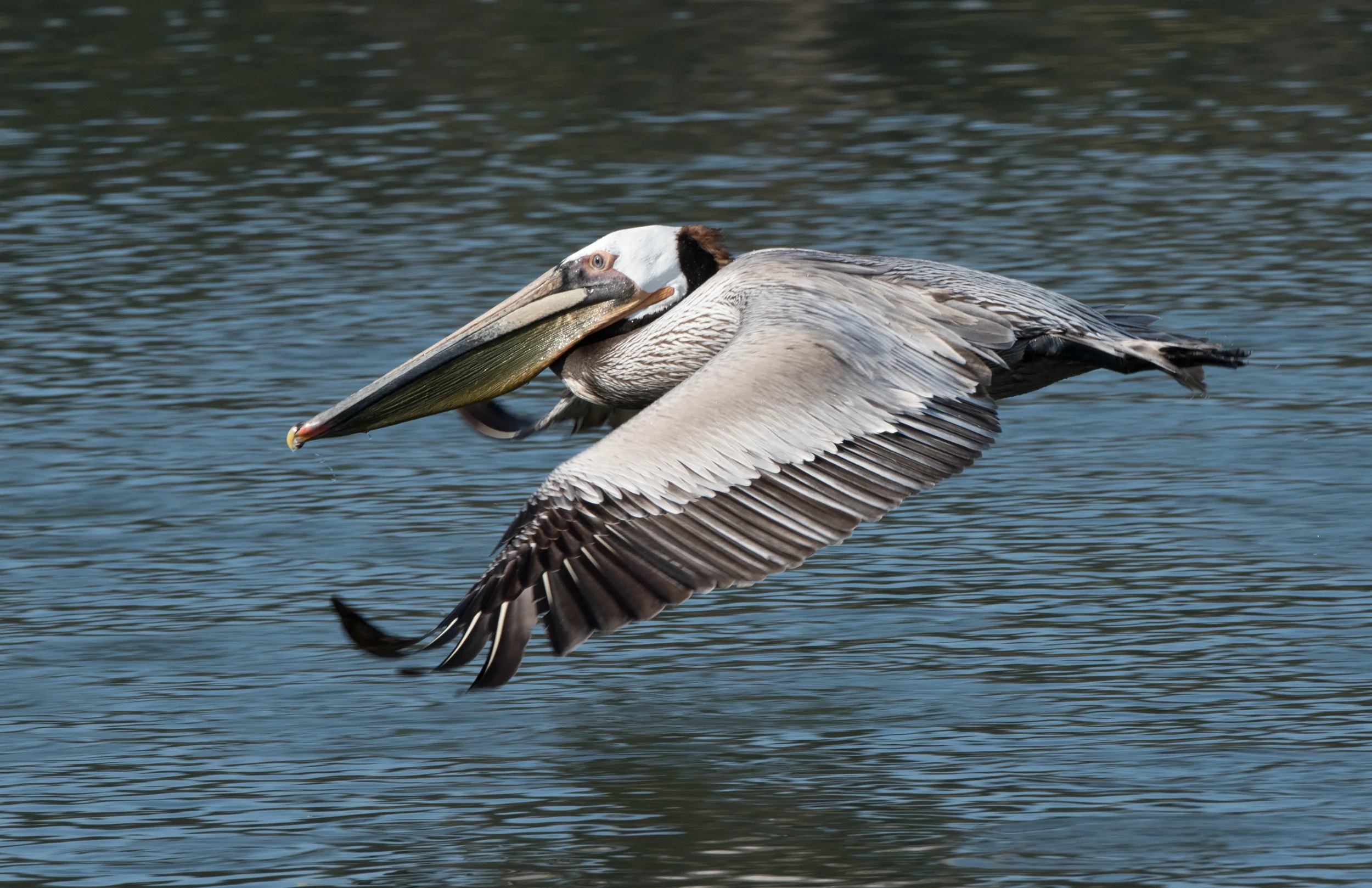
Brown Pelican in Elkhorn Slough, California. Elkhorn Slough has the most extensive salt marshes in California south of San Francisco. It was named a “Wetland of International Importance” in 2018.

A Great Blue Heron and Great Egrets Elkhorn Slough, California.

Long-billed Curlew, Crissy Field, Golden Gate National Recreation Area, San Francisco, California

Red-breasted Merganser pair outside Nome, Alaska.

Bristle-thighed Curlew on a rainy Nome Day. Alaska.

Bristle-thighed Curlew calling. Outside Nome, Alaska.